
Final Asssessment
Primary Audience:
This activity is intended to meet the educational needs of psychiatrists and psychiatric APPs (NPs, PAs) involved in the management of patients with major depressive disorder.
Professor of Psychiatry and Behavioral Sciences
Director, AIDS Psychiatry Services
Johns Hopkins School of Medicine
Baltimore, Maryland
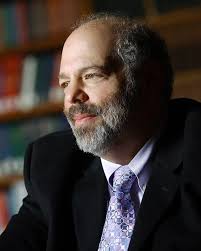 Glenn Jordan Treisman is the Eugene Meyer III Professor of Psychiatry and Medicine at the Johns Hopkins University School of Medicine. He is Director of the AIDS Psychiatry Service, The Pain Treatment Program, and his most-recent effort as co-director of the Amos Center, a program that studies atypical GI disorders and the relationship between food, the nervous system of the GI tract, the microbiome, and disease. The Pain treatment Program provides care for chronic pain syndromes and is a national referral resource for patients with intractable pain.
Dr. Treisman is internationally known for his engaging presentations, his efforts to promote the integration of psychiatry and medicine, and his vigorous commitment to the betterment of patient care for underserved populations. He is best known for his groundbreaking work in the field of HIV, where he has been described as “the father of AIDS psychiatry.” He is involved in the care of psychiatrically ill HIV infected patients and has been since early in the epidemic. He described and has raised awareness of the role of mental illness as a driving force in the HIV epidemic as well as a barrier to effective care. He is the author of The Psychiatry of AIDS, the first comprehensive textbook on the subject, as well as numerous articles on the issues of mental health in the HIV clinic.
As part of a lifelong commitment to education, Dr. Treisman directed the residency program in Psychiatry for nine years, and has delivered lectures at the Johns Hopkins School of Medicine in courses on Neuroscience, Psychiatry, Pharmacology Clinical Skills, and the Physician in Society course, as well as lectures in the School of Public Heath, the School of Nursing, and in numerous departments. He is considered to be an outstanding teacher and has received the Chairman’s Award for Teaching from the Department of Medicine. His lectures on psychiatry and medical ethics have earned him international invitations and eponymous lectures including the prestigious Mapother Lecture in London and Findling Lecture at the Mayo Clinic. Dr. John G Bartlett has referred to his lecture on DNR orders and medical ethics as “the Gettysburg Address of medicine,” and The American College of Physicians recognized his work with the presentation of the William C. Menninger Memorial Award for Distinguished Contribution to the Science of Mental Health.


